






 Prev
Prev
The Hidden Cost of Delays in Commercial Glazing Projects
Coral Springs, FL — July 7, 2026
In commercial construction, delays are expensive. While project teams often focus on material costs, labor rates, and installation schedules, the true cost of delays can be much greater than anticipated.
When a glazing package falls behind schedule, the impact extends far beyond the glass itself. Delays in storefront systems, entrances, windows, and fabricated glass can affect dry-in dates, interior trades, inspections, tenant turnover, and ultimately project completion. Because glazing is frequently on the critical path of a project, even minor setbacks can create a ripple effect throughout the entire construction schedule.
The Costs You Don’t See
Most contractors account for direct costs associated with a delayed project. However, some of the most significant expenses are often hidden.
A glazing delay can result in:
- Extended project management and supervision costs
- Increased equipment rental expenses
- Trade stacking and scheduling conflicts
- Delayed inspections and certificate of occupancy approvals
- Lost revenue from postponed tenant occupancy
- Additional labor costs from rescheduling crews
- Reduced productivity across multiple trades
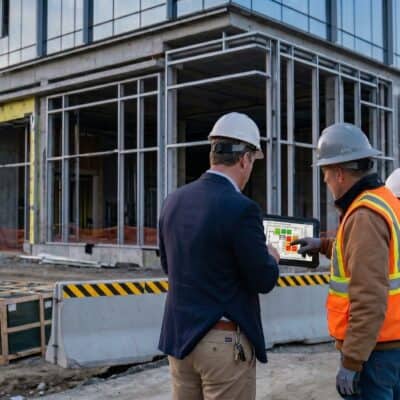
For developers, general contractors, and glazing contractors alike, every day a project remains unfinished can translate into thousands of dollars in additional costs.
Why Glazing Delays Happen
While every project is different, many glazing delays stem from a handful of common issues:
- Late design changes
- Delayed approvals and submittals
- Supply chain disruptions
- Transportation challenges
- Poor communication between project stakeholders
- Limited fabrication capacity
Many of these challenges can be mitigated by selecting a glazing partner that offers strong communication, dependable manufacturing capacity, and reliable delivery capabilities.
The Advantage of Regional Manufacturing
One of the most overlooked factors in project success is the proximity of the fabricator to the jobsite.
When products must travel long distances through multiple distribution channels, project teams often have less visibility into delivery schedules and fewer options when unexpected changes occur. Transportation delays, freight issues, and communication breakdowns can quickly impact project timelines.
This is where regional manufacturing can provide a significant advantage.
With eight manufacturing facilities strategically located throughout the Southeast, Aldora is positioned to serve customers closer to where they build. By manufacturing products within the regions they serve, Aldora helps reduce transportation complexity while providing contractors with greater responsiveness and support throughout the project lifecycle.
For project teams working against demanding schedules, having a fabrication partner nearby can make a meaningful difference when adjustments are needed.
Controlling What Matters Most: Delivery
Fabricating quality products is only part of the equation. Getting those products to the jobsite safely and on schedule is equally important.
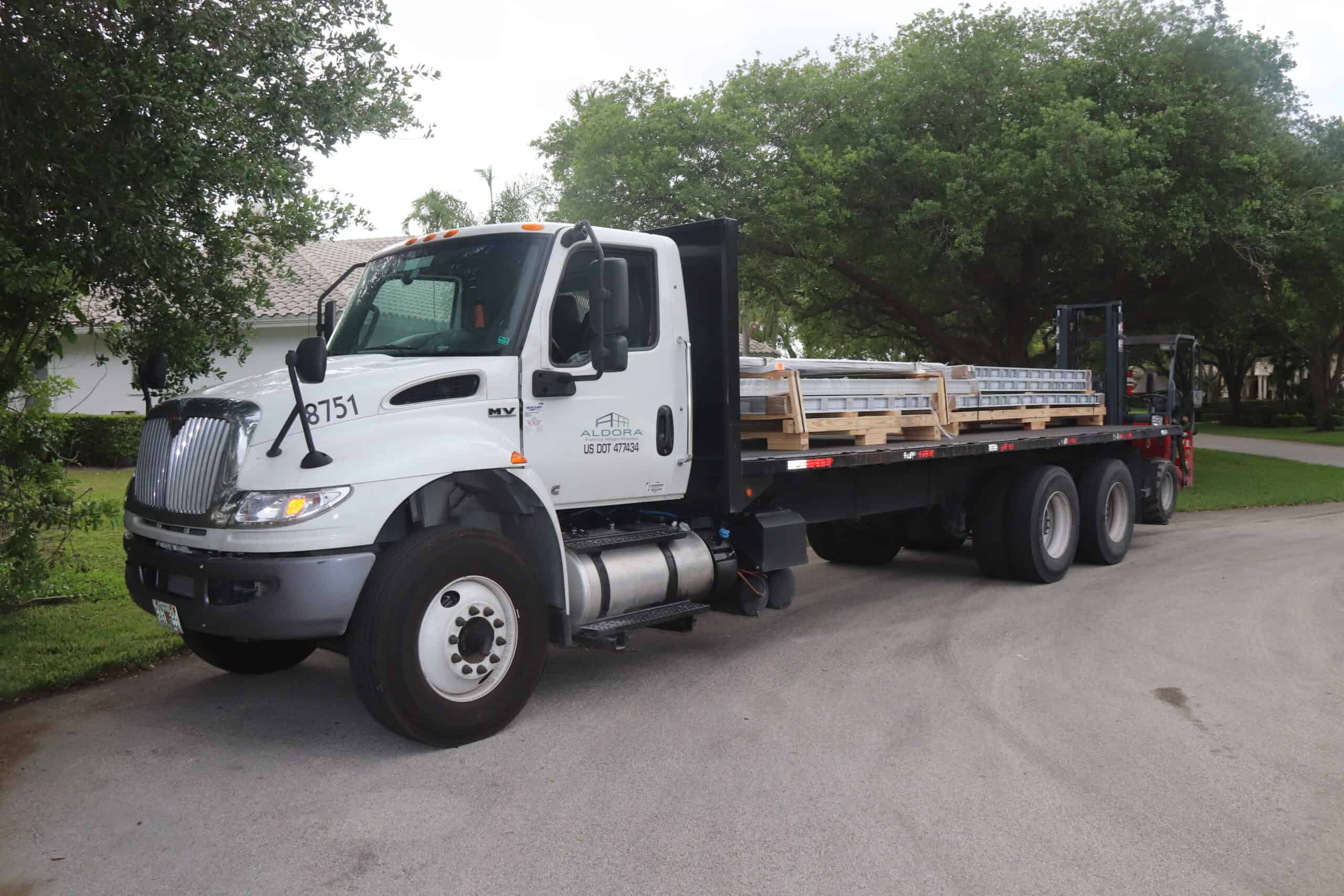
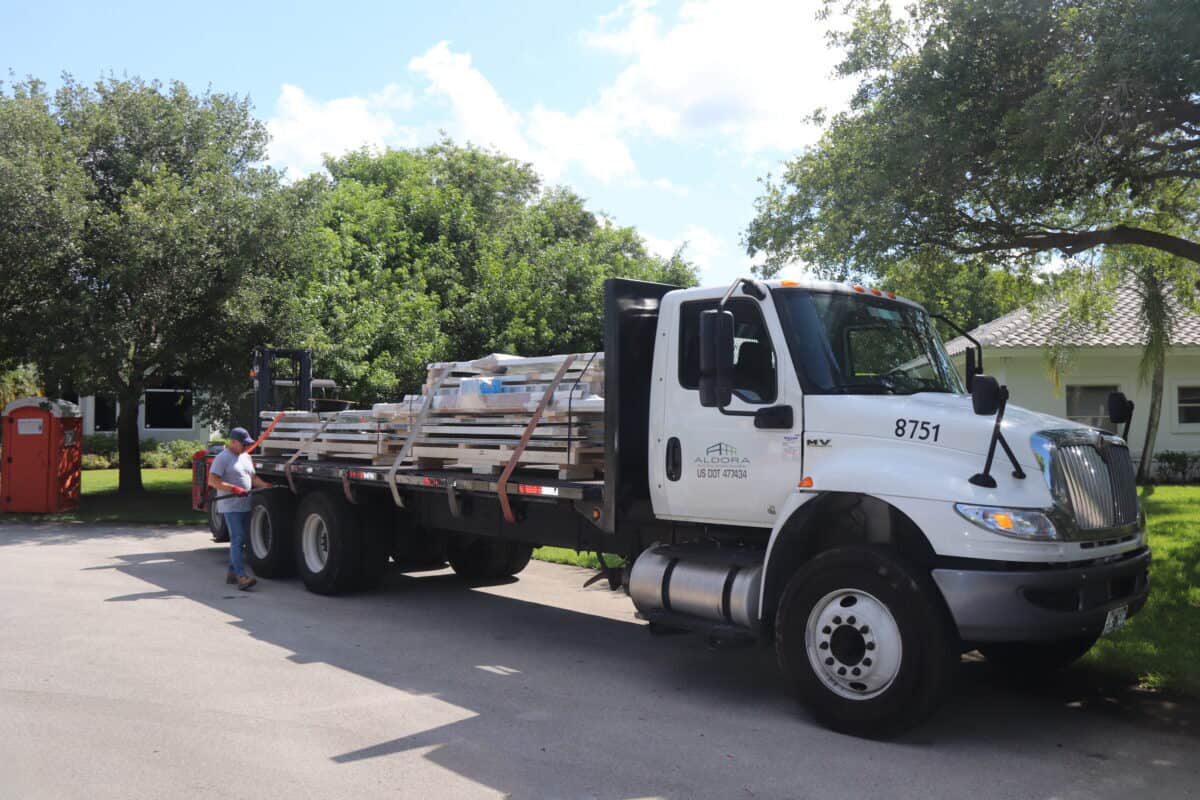
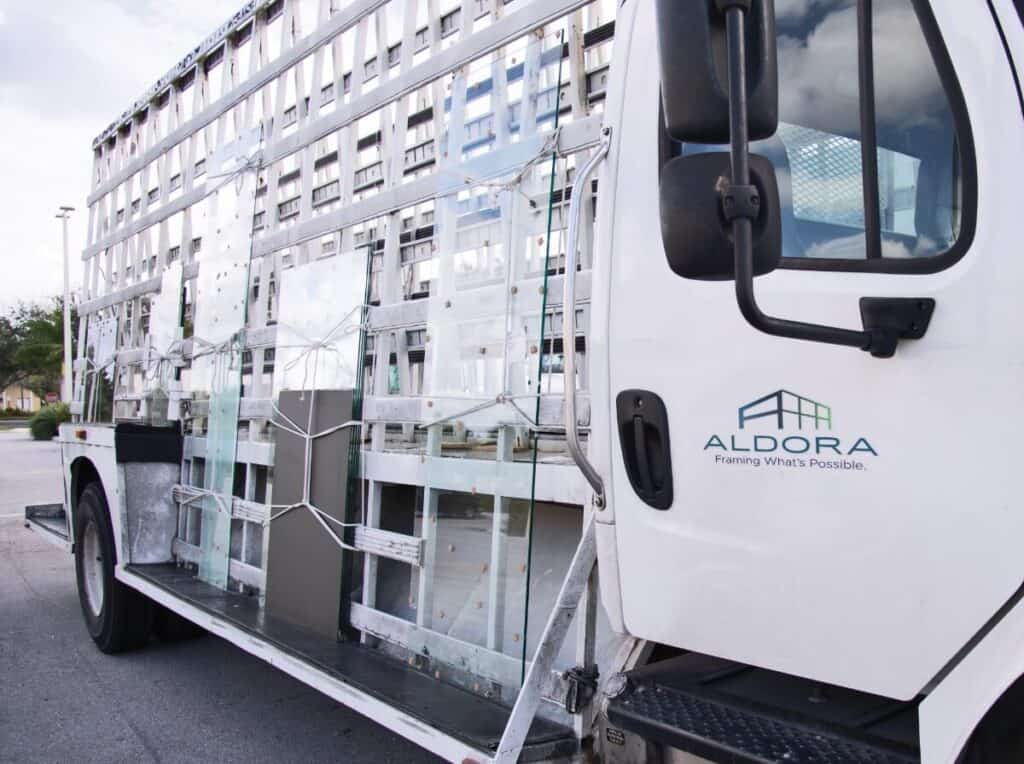
To maintain greater control over delivery timelines, Aldora utilizes its own fleet of trucks whenever possible rather than relying exclusively on third-party carriers. This approach provides greater visibility into deliveries, improved coordination with jobsite schedules, and increased flexibility when projects encounter unexpected changes.
When a contractor needs answers, there is value in working with a partner that controls both manufacturing and delivery rather than depending on multiple outside parties.
In today’s construction environment, reliability is often just as important as price.
Building Partnerships That Keep Projects Moving
Successful commercial glazing projects are built on more than quality products. They require planning, communication, coordination, and a commitment to meeting project milestones.
At Aldora, our teams work closely with glazing contractors, general contractors, architects, and developers to help streamline project execution from fabrication through delivery. Our portfolio includes storefront systems, impact and non-impact glazing solutions, entrances, windows, fabricated glass, and other products designed to support a wide range of commercial applications.
By combining regional manufacturing, dedicated customer support, and controlled delivery logistics, we help customers reduce risk and keep projects moving forward.
The Bottom Line
Commercial glazing delays can have far-reaching consequences that impact every stakeholder on a project. While no construction schedule is immune to challenges, choosing the right fabrication partner can help minimize disruptions and improve project outcomes.
When evaluating glazing suppliers, contractors should look beyond product pricing alone. Manufacturing capacity, communication, delivery control, and local support can all play a critical role in determining whether a project stays on schedule.
Because in commercial construction, the hidden cost of delays is often far greater than anyone expected.