
 Prev
Prev
Designing for Energy Efficiency with Modern Glazing Systems
Coral Springs, FL — August 3, 2026
Energy efficiency has become a key consideration in modern commercial construction. As building owners seek to reduce operating costs and meet increasingly stringent energy codes, architects and contractors are placing greater emphasis on high-performing building envelopes.
One of the most important components of that envelope is the glazing system.
Today’s storefront systems, insulated glass units (IGUs), and entrance systems do far more than provide aesthetics and natural light. When properly designed and specified, they can help improve occupant comfort, reduce HVAC loads, and support long-term building performance.
Why Glazing Matters
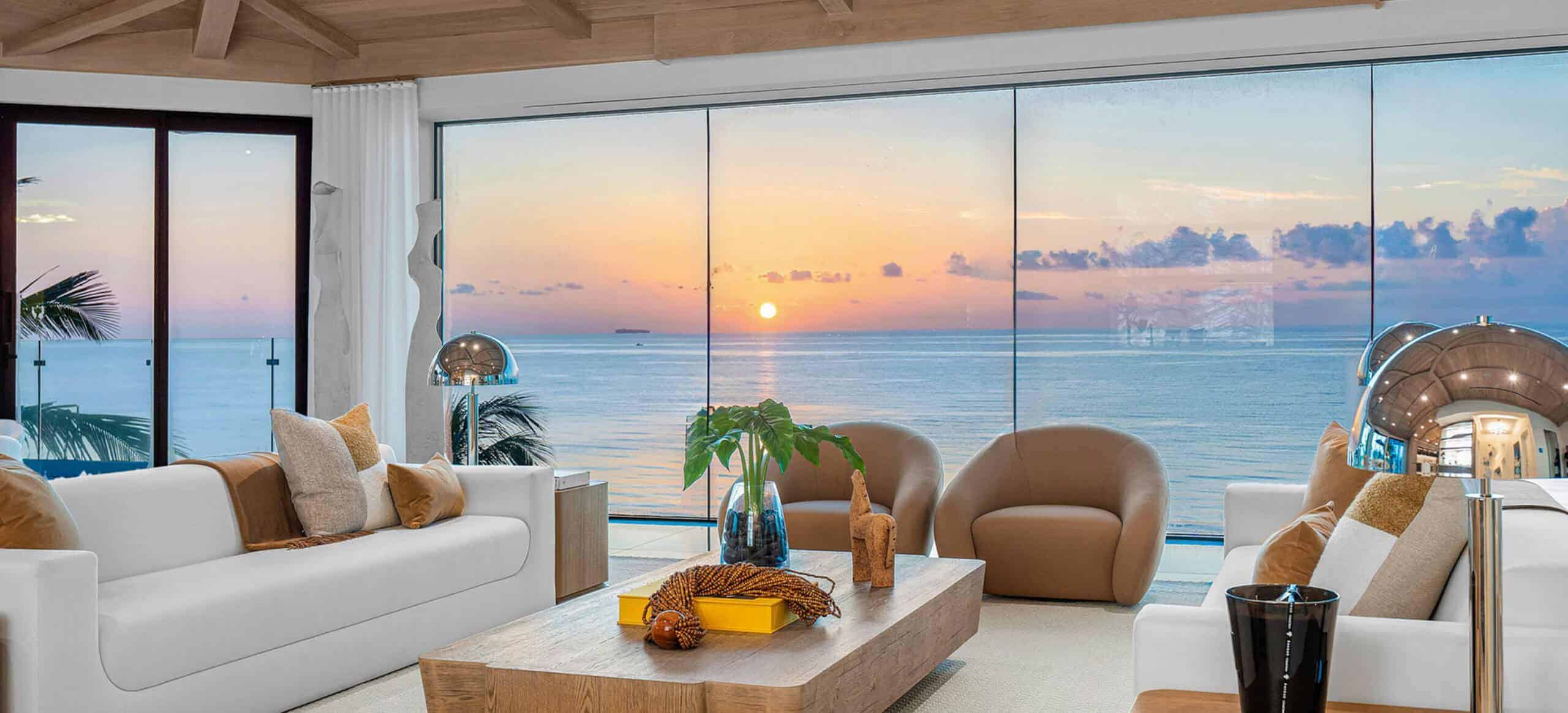
Glass often represents a significant portion of a building’s exterior. While expansive glass façades create attractive, daylight-filled spaces, they can also impact heating and cooling demands if the proper system is not selected.
Modern glazing systems can help improve:
- Energy efficiency
- Occupant comfort
- Daylighting performance
- HVAC efficiency
- Long-term operating costs
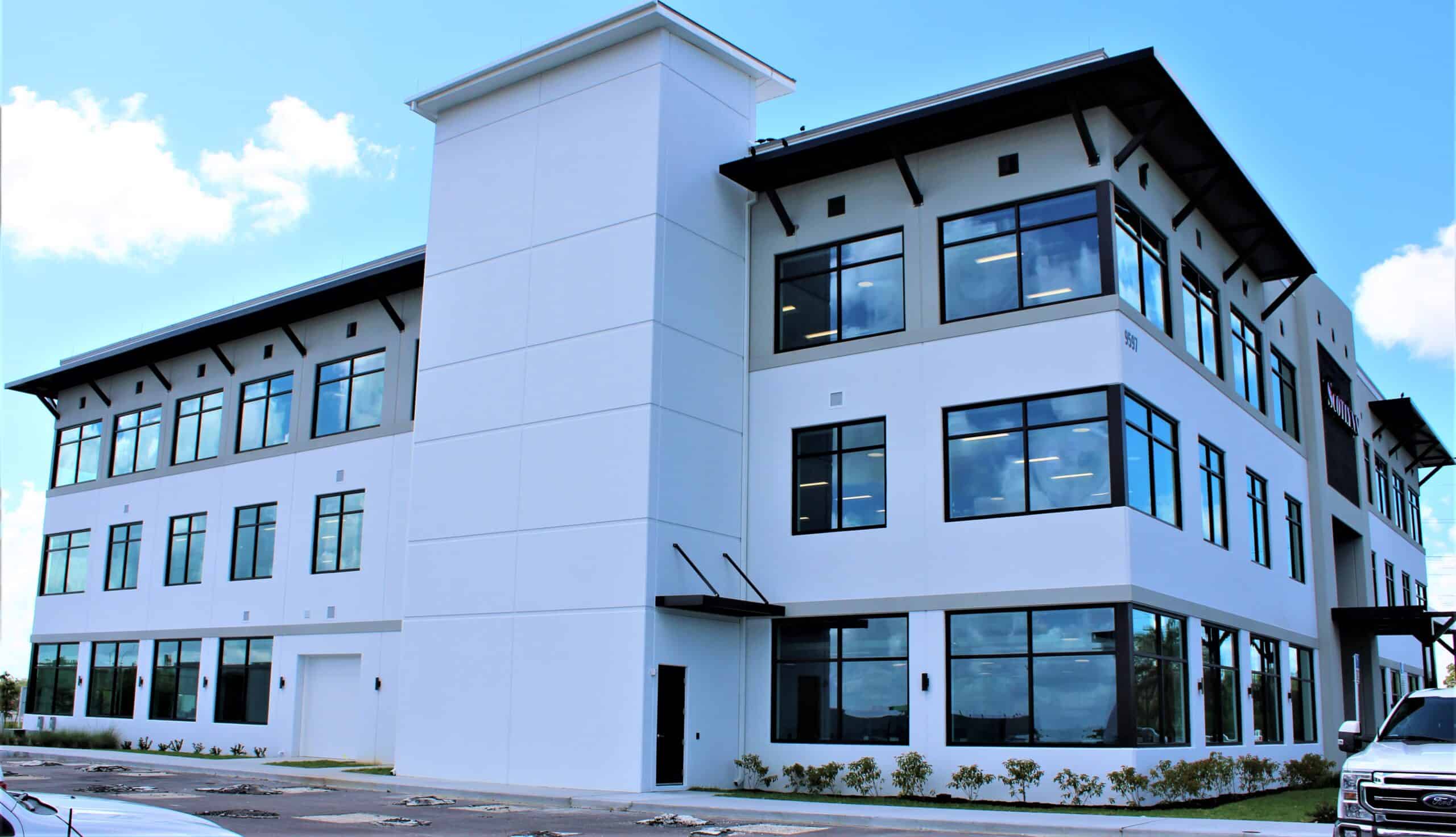
As industry publications such as Glazing Contractor continue to highlight, glazing has become a critical component in achieving both sustainability and performance objectives.
Key Components of Energy-Efficient Glazing
Low-E Glass
Low-emissivity (Low-E) coatings help reduce heat transfer while allowing natural light to enter the building. These coatings can help minimize solar heat gain and improve thermal performance throughout the year.
Insulated Glass Units (IGUs)
Insulated glass units use multiple panes of glass separated by sealed air or gas-filled spaces to reduce heat transfer and improve occupant comfort. Combined with Low-E coatings, IGUs have become a standard solution for energy-conscious commercial construction.
Solar Control and Daylighting
Modern glazing systems are designed to balance natural light with solar control performance. This allows designers to create bright, inviting spaces while minimizing glare and reducing cooling loads.
Understanding Glazing Performance Metrics
When evaluating glazing systems, architects and specifiers often focus on several key performance measurements:
| Metric | Why It Matters |
| U-Factor | Measures heat transfer through the glazing system. Lower values generally indicate better insulating performance. |
| SHGC (Solar Heat Gain Coefficient) | Measures how much solar heat passes through the glass. Lower values can help reduce cooling loads. |
| VLT (Visible Light Transmittance) | Measures how much natural daylight passes through the glass. Higher values can increase daylighting opportunities. |
Understanding these metrics helps project teams select systems that align with both energy-efficiency goals and overall building performance requirements.
Choosing the Right Storefront System
Energy efficiency depends on more than glass alone. Frames, entrances, fabrication quality, and overall system design all contribute to building performance.
At Aldora, our storefront and entrance solutions are designed to help architects and contractors balance performance, aesthetics, and constructability.
SMI-245 Storefront System
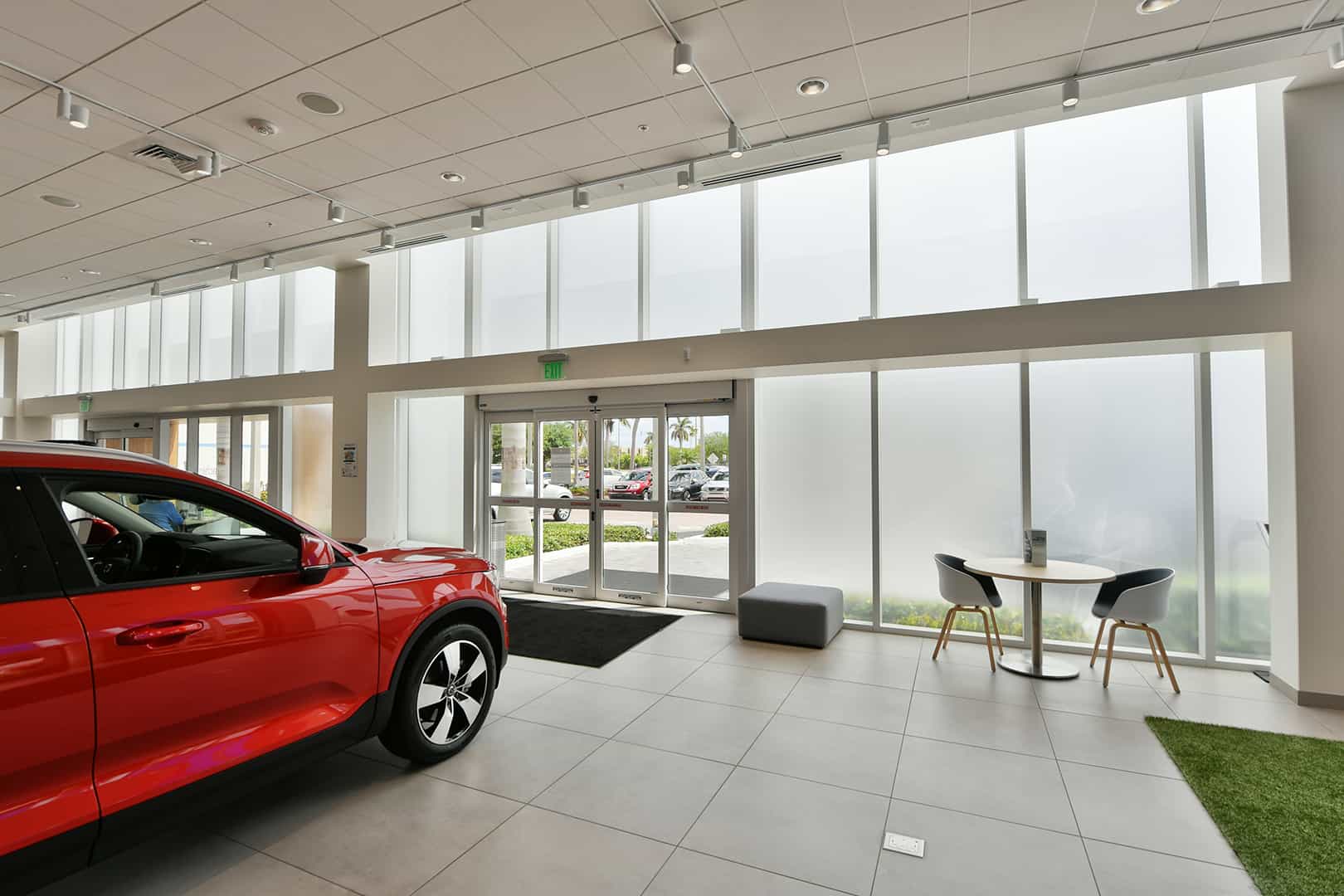
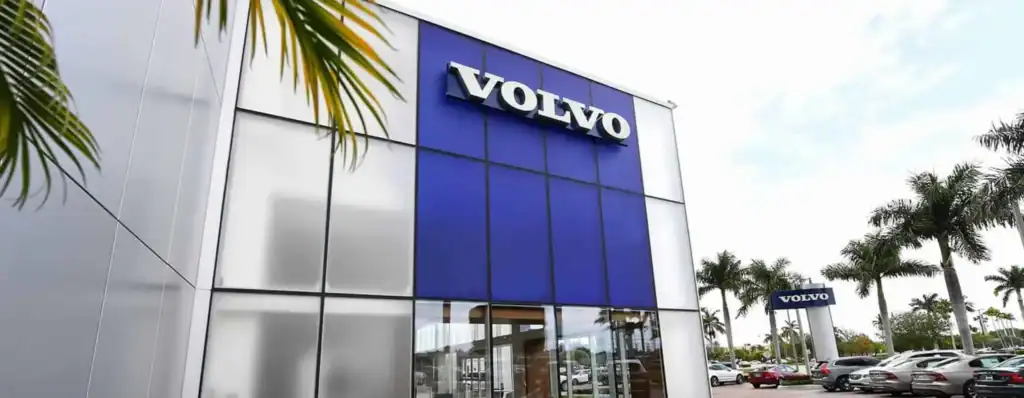
The SMI-245 Storefront System offers a versatile solution for a variety of commercial applications. When paired with insulated Low-E glass, it can support thermal performance goals while maintaining the clean appearance desired in retail, office, healthcare, and educational environments.
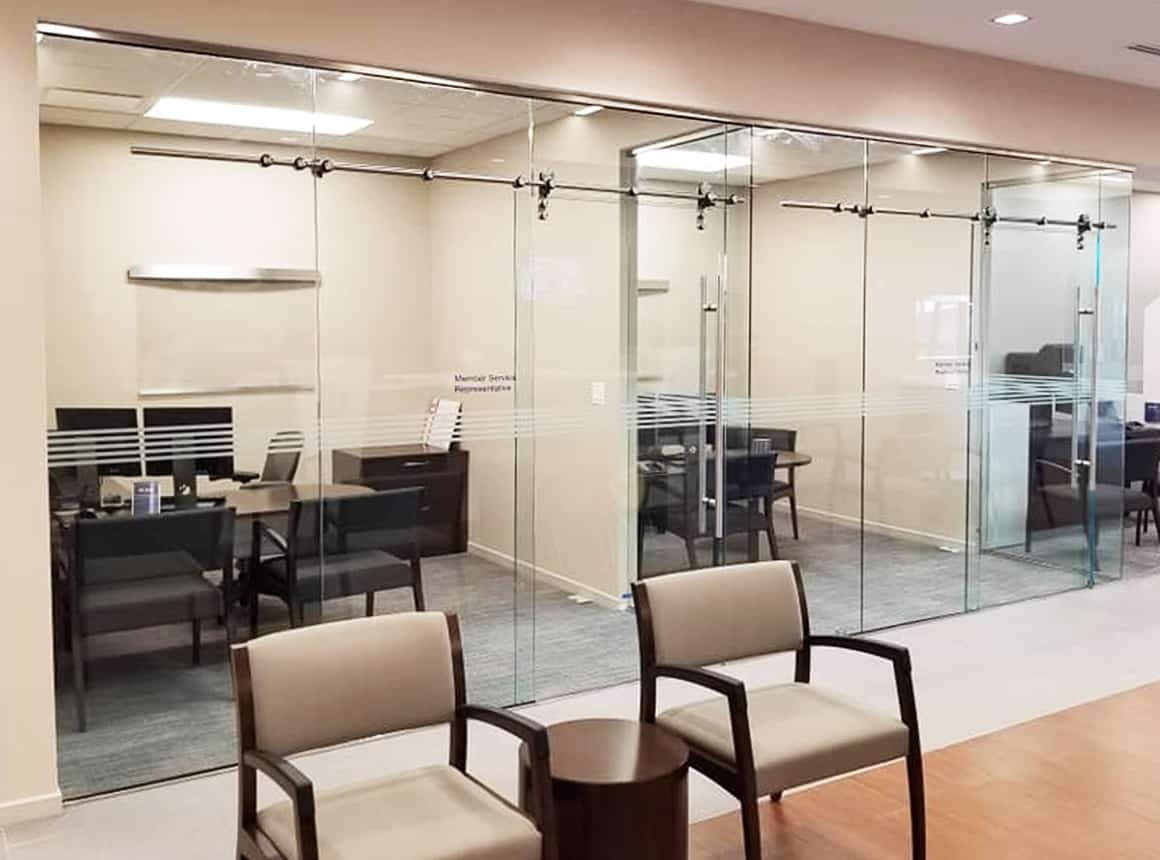
In a typical retail or office application, the SMI-245 can be paired with insulated Low-E glass to help improve thermal performance while maintaining visibility and natural light. The result is a storefront system that supports energy-efficiency goals without sacrificing aesthetics.
SMI-45 Storefront System
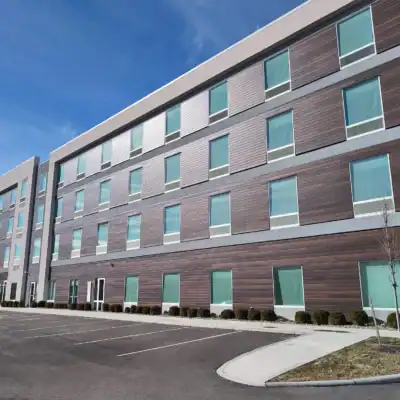
The SMI-45 Storefront System provides a reliable non-impact solution for projects seeking a balance of performance, aesthetics, and value. Designed to accommodate a variety of glazing configurations, it offers flexibility for architects and contractors designing energy-conscious commercial spaces.
Maximum View System
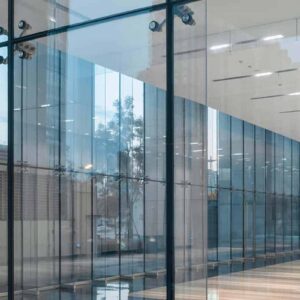
For projects where daylighting is a priority, Aldora’s Maximum View System is designed to maximize glass area and create expansive, unobstructed views.
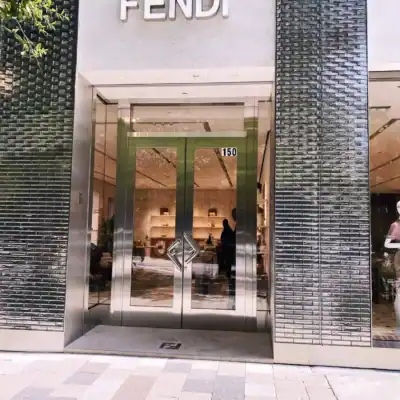
High-end retail environments often prioritize visibility, natural light, and a seamless connection between the storefront and the customer experience. Aldora’s Maximum View System is designed to maximize glass area and create expansive, unobstructed views, helping retailers showcase merchandise while creating bright, inviting spaces. When paired with advanced hard-coat or soft-coat Low-E coatings, the system can support both aesthetic and energy-performance objectives by improving thermal performance, reducing solar heat gain, and maximizing daylight throughout the space.
McKinley Door
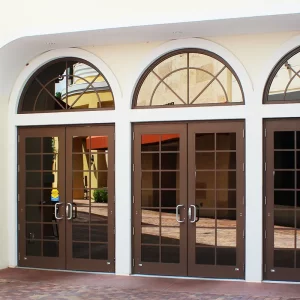
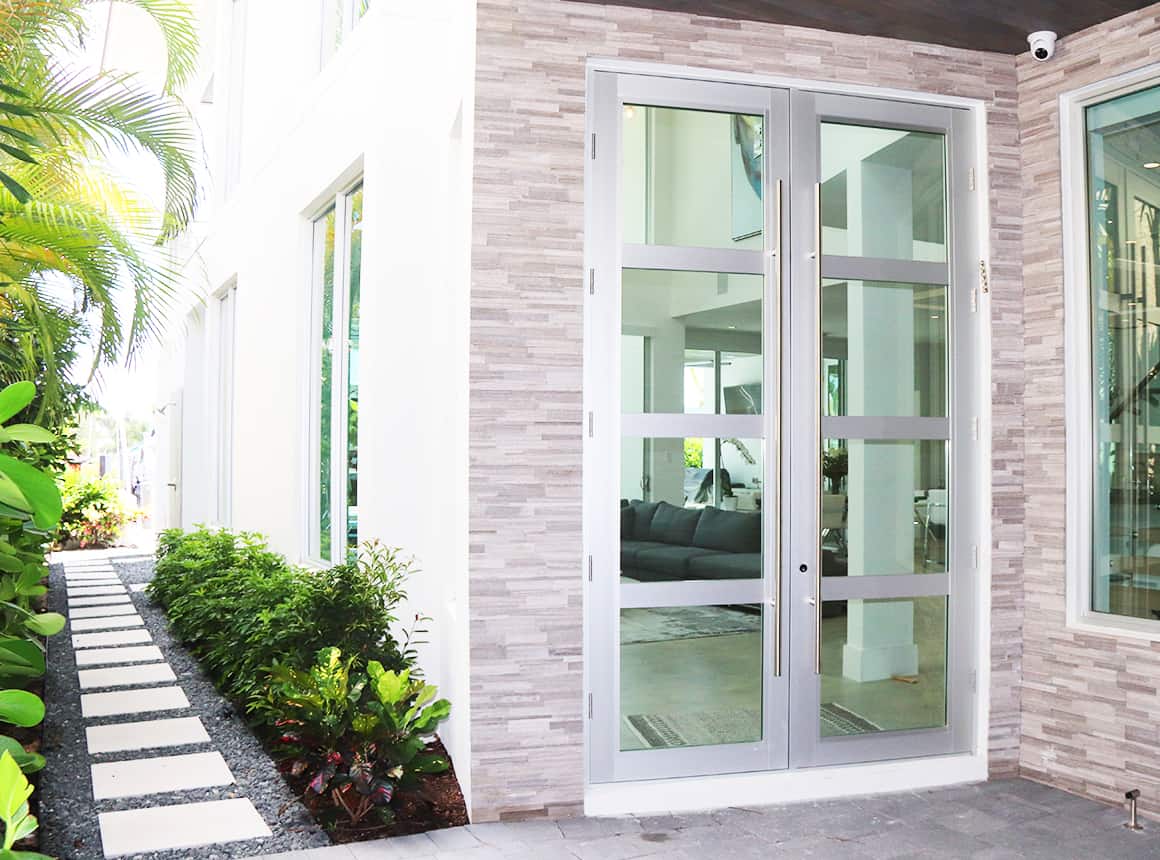
The McKinley Door complements modern storefront systems by providing a durable and attractive entrance solution. When integrated into a high-performance building envelope, entrance systems play an important role in supporting overall building efficiency and occupant comfort.
Together, the SMI-245 Storefront System, SMI-45 Storefront System, and McKinley Door provide architects and contractors with flexible non-impact solutions that can be paired with insulated glass units and Low-E coatings to support energy-efficient building design.
Looking Ahead
As building codes continue to evolve and owners place greater emphasis on sustainability, glazing systems will play an increasingly important role in commercial building design.
Whether designing a retail center, healthcare facility, educational campus, office building, or mixed-use development, selecting the right storefront and glazing systems can contribute to lower operating costs, improved occupant comfort, and stronger long-term building performance.
At Aldora, we work with architects, glazing contractors, developers, and building owners to provide storefront, entrance, and fabricated glass solutions that support today’s energy-efficiency requirements while meeting the demands of modern commercial construction.